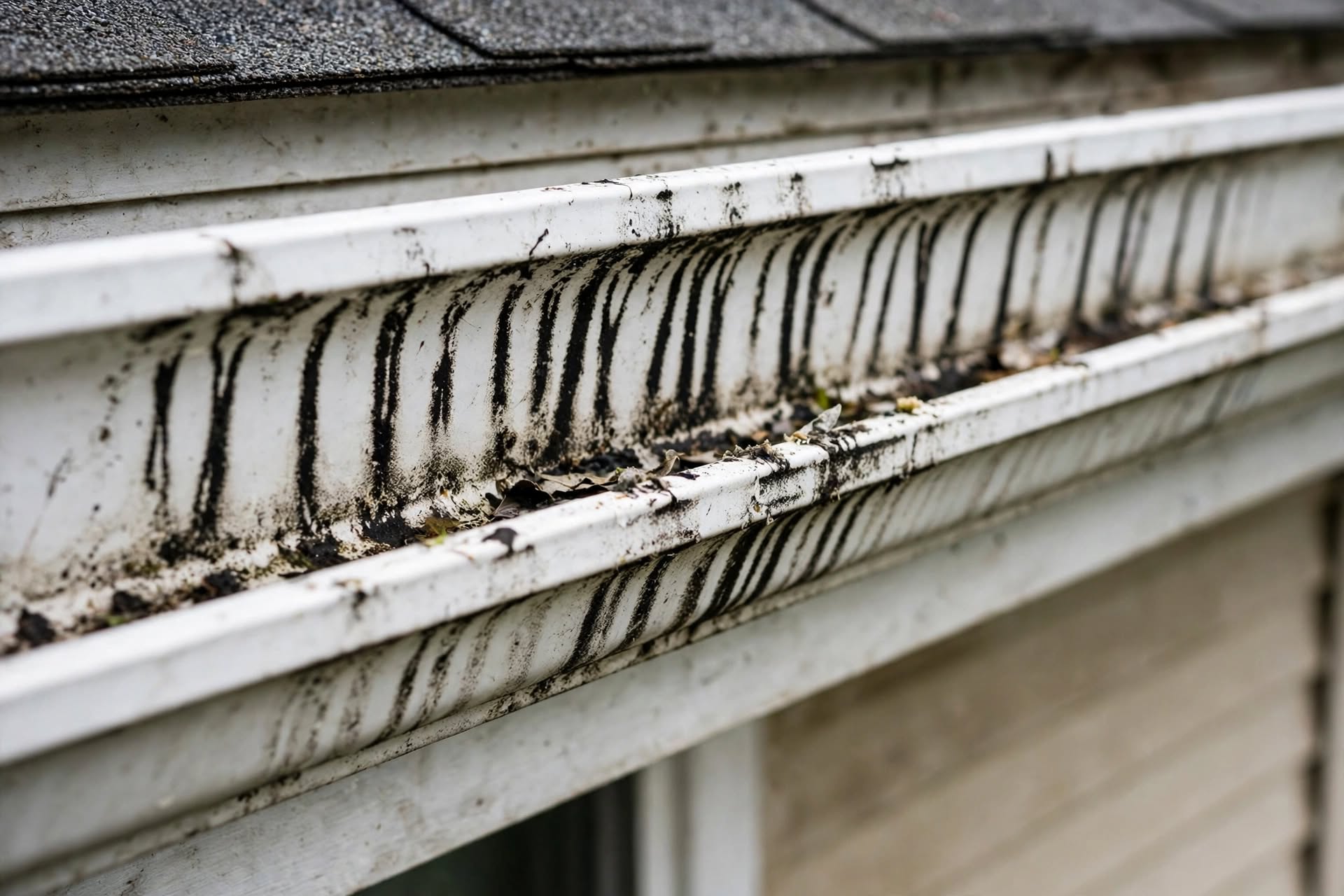
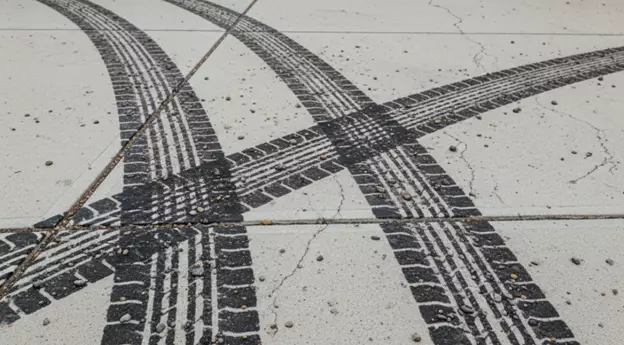
Tire marks on concrete can be an eyesore, whether on your driveway, garage floor, or commercial parking lot. These black streaks result from friction between rubber tires and concrete surfaces, leaving behind stubborn marks that aren’t always easy to clean. Fortunately, with the right techniques and tools, you can remove tire marks effectively and restore your concrete to its clean, polished appearance.
In this guide, we’ll cover everything from quick solutions to removal techniques, preventive measures by Stegmeier Pressure Washing, and FAQs. By the end, you’ll have the complete strategy to tackle tire marks safely and efficiently.
Short Answer – Quick Way to Remove Tire Marks from Concrete
The fastest way to remove tire marks from concrete is to apply a strong concrete degreaser, scrub the area with a stiff brush, and rinse with a pressure washer or hot water. For stubborn streaks, hot water or steam can soften the rubber, making scrubbing more effective. To prevent future marks, consider sealing your concrete surface to minimize rubber adhesion.
Understanding Tire Marks on Concrete
What Causes Tire Marks on Concrete?
Tire marks occur when rubber tires come into contact with concrete and friction transfers tiny particles onto the surface. Common causes include:
- Skidding or sudden stops – Tires sliding across concrete leave black streaks.
- Sharp turns in place – Spinning tires deposit rubber onto the surface.
- High-traffic areas – Constant turning or braking accelerates rubber buildup.
Why Tire Marks Stick to Concrete
Concrete is porous, meaning it can absorb some of the rubber residue over time. Environmental factors also affect adhesion:
- Sunlight and heat can slightly melt rubber, allowing it to embed into the surface.
- Rain and moisture may initially reduce visibility but can sometimes cause streaks to set.
- Age of concrete – Older, rougher surfaces tend to trap more rubber than newly poured, smooth surfaces.
Effective Methods to Remove Tire Marks from Concrete
Chemical Cleaners and Degreasers
Concrete degreasers are specifically formulated to dissolve rubber residue.
- How it works: Degreasers break down the chemical composition of tire marks, loosening them from the concrete.
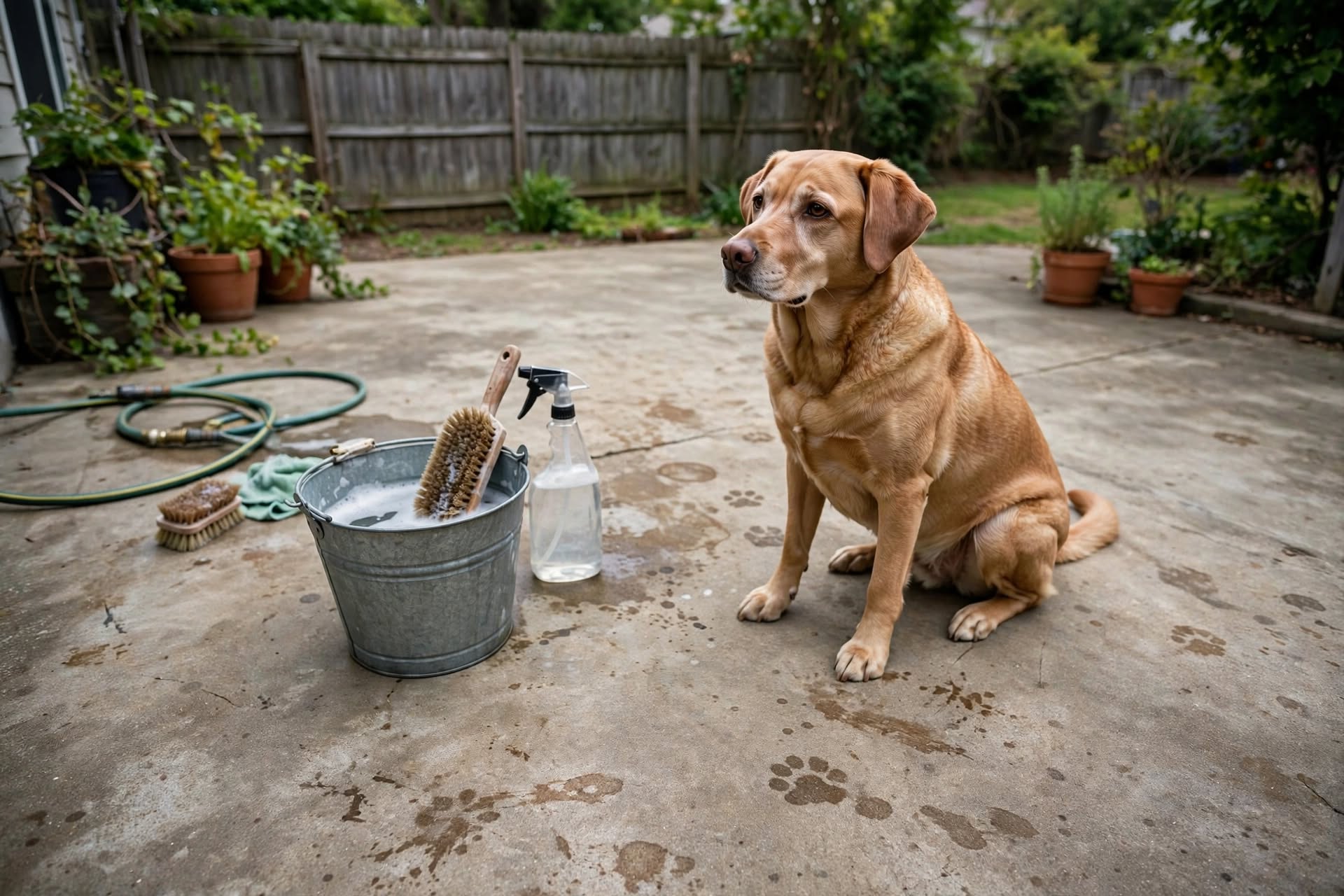
- Application: Pour or spray the cleaner onto the marks, allow it to dwell for 10–30 minutes, scrub with a stiff brush, and rinse thoroughly.
- Tip: Avoid letting the cleaner dry on the concrete, as this can leave streaks.
Heat and Scrubbing
Heat is a natural way to soften rubber for removal.
- Hot water: Pour boiling or very hot water over the marks to loosen rubber.
- Steam cleaning: A steam cleaner or low-pressure hot water system can soften tough tire marks.
- Scrubbing: Use a stiff nylon or polypropylene brush to lift the softened rubber without damaging the concrete surface.
Pressure Washing
Pressure washing is highly effective, especially for large areas or stubborn marks.
- Best practice: Use a hot-water pressure washer for enhanced rubber removal.
- Caution: Avoid very high pressure on new or damaged concrete, as it may etch or degrade the surface.
Solvents
Solvents like WD-40 or industrial adhesive removers can dissolve small, localized tire marks.
- When to use: Ideal for spot treatments where degreasers or scrubbing alone may not suffice.
- Safety: Wear gloves, work in a well-ventilated area, and avoid overuse to prevent chemical damage to the concrete.
How to Remove Tire Marks from Concrete
Step 1 – Prepare the Surface
- Sweep or blow away loose debris, dirt, and dust.
- Ensure the concrete is dry to allow chemicals or hot water to penetrate marks effectively.
Step 2 – Apply Cleaner/Degreaser
- Pour or spray the chosen cleaner over the tire marks.
- Allow it to sit for 10–30 minutes, depending on the product instructions.
Step 3 – Scrub the Marks
- Use a stiff-bristled brush or floor scrubber.
- Apply firm pressure in circular or back-and-forth motions to lift rubber residue.
Step 4 – Rinse Thoroughly
- Use a hose for small areas or a pressure washer for larger driveways and floors.
- Ensure all residue is rinsed away to prevent re-staining.
Step 5 – Inspect and Repeat if Necessary
- Check the concrete after drying.
- Repeat the process for stubborn streaks or older marks.
Step 6 – Prevent Future Marks
- Apply a penetrating concrete sealer to reduce rubber adhesion.
- Encourage gentle braking and turning in high-traffic areas.
- Consider epoxy or polyaspartic coatings for garage floors.
Comparison of Tire Mark Removal Methods
| Method | Pros | Cons | Best For |
| Degreasers & Cleaners | Easy, effective, widely available | May require scrubbing | Small to medium stains |
| Pressure Washing | Fast, thorough | Can damage old concrete | Large areas, stubborn marks |
| Heat + Scrubbing | Eco-friendly, no chemicals | Labor-intensive | Fresh or thin marks |
| Solvents (WD-40, etc.) | Breaks down rubber quickly | Chemical handling required | Spot treatment |
FAQs – How to Remove Tire Marks from Concrete
1. Can tire marks be removed from old concrete?
Yes, old concrete can be cleaned, but older surfaces may require repeated treatments or stronger degreasers due to porosity.
2. Is pressure washing safe for all concrete surfaces?
High-pressure washing is effective but can damage new, cracked, or unsealed concrete if not used carefully.
3. How long should a cleaner sit before scrubbing?
Most degreasers need 10–30 minutes to break down the rubber. Always follow the product label for optimal results.
4. Can tire marks return after cleaning?
Yes, especially in high-traffic areas. Preventive sealing and mindful driving can reduce recurrence.
5. Are there eco-friendly alternatives to chemical degreasers?
Hot water, steam cleaning, or biodegradable degreasers are effective alternatives for environmentally conscious cleaning.
6. Does sealing concrete prevent tire marks entirely?
Sealing minimizes adhesion but does not guarantee complete prevention. Regular maintenance is still recommended.
7. What brush type is best for scrubbing tire marks?
Stiff nylon or polypropylene brushes are ideal for scrubbing without damaging the concrete.
8. Can boiling water alone remove fresh tire marks?
Yes, hot water can soften fresh marks, making them easier to scrub away without chemicals.
Conclusion
Removing tire marks from concrete is straightforward when you understand the causes and use the right techniques. For most situations, a combination of chemical degreasers, hot water, scrubbing, and pressure washing delivers the best results. Preventive measures like sealing your concrete and mindful vehicle handling can minimize future marks, keeping driveways, garages, and commercial floors looking pristine. Regular maintenance ensures your concrete remains clean, durable, and free from unsightly rubber stains.