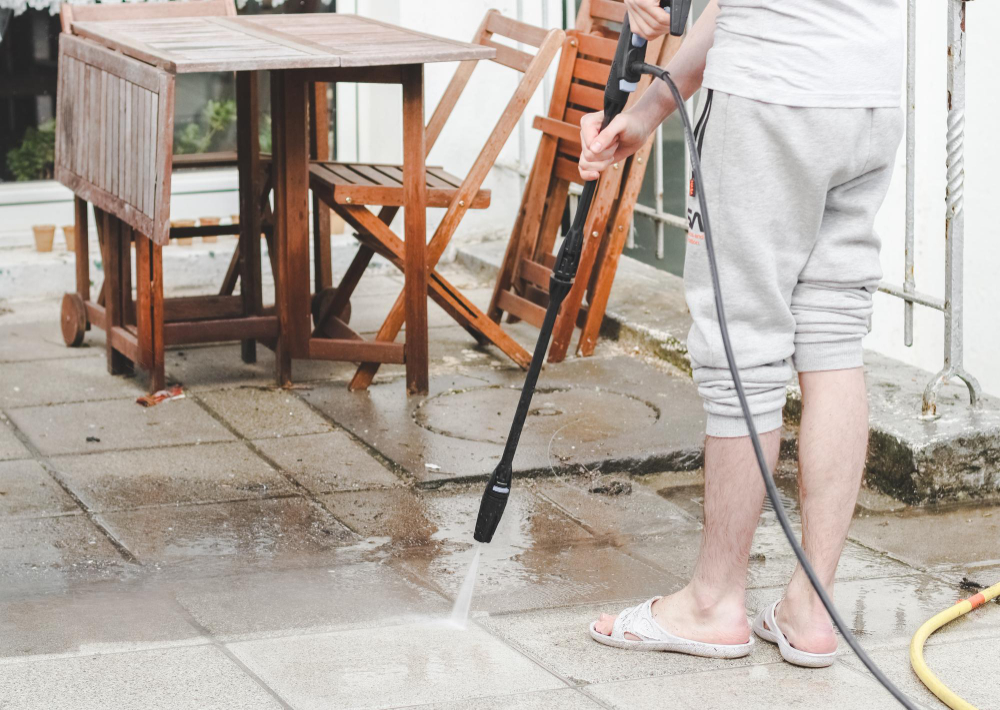
If your pressure washer keeps surging, pulsing, or losing pressure, you’re not alone. This is one of the most common pressure washer problems homeowners and professionals experience. The good news is that in most cases, a pulsing pressure washer is caused by water flow issues, air in the system, or a clogged nozzle all of which are usually easy to fix without replacing the machine.
This complete guide will explain why your pressure washer is pulsing, how to fix it step-by-step, and how to prevent it from happening again.
Short Answer – Why Is My Pressure Washer Pulsing?
A pressure washer pulses or surges when the water flow entering or exiting the pump is inconsistent. The most common causes include:
- Low water supply
- Air trapped in the pump
- Clogged nozzle
- Kinked hose
- Faulty unloader valve
- Pump valve or seal damage
Quick Fix Summary
Try these first:
- Turn on water fully
- Remove nozzle and run water
- Bleed air from system
- Check hose for kinks
- Clean nozzle
- Check inlet filter
If the pulsing continues after these steps, the issue may be related to the unloader valve or internal pump components.
What Does Pressure Washer Pulsing Mean?
Pressure washer pulsing (also called surging) happens when the machine cannot maintain consistent water pressure. Instead of a steady stream, the pressure goes high → low → high → low repeatedly.
Why Is My Pressure Washer Pulsing Instead of Producing Steady Pressure?
To understand this, you need to know how a pressure washer works.
A pressure washer pump pulls water from your garden hose, compresses it, and sends it out through a small nozzle at high pressure. If the water supply is restricted or something blocks the flow, the pump pressure fluctuates, causing pulsing. According to cleaning professionals at Stegmeier Pressure Washing, inconsistent water flow, clogged nozzles, or air leaks are some of the most common reasons a pressure washer starts surging instead of producing steady pressure.
Pulsing vs Surging vs Losing Pressure
- Pulsing → Pressure repeatedly goes up and down
- Surging → Machine speeds up and slows down
- Losing pressure → Pressure drops and stays low
Most pulsing problems are related to water flow restriction or air in the pump.
Common Causes – Why Is My Pressure Washer Pulsing?
Water Supply Problems
Water supply issues are the #1 cause of pressure washer pulsing.
Common water supply problems include:
- Low water pressure from faucet
- Hose too long
- Hose diameter too small
- Faucet not fully open
- Dirty inlet filter
- Using a water tank without enough flow
Pressure washers require more water flow than a standard garden hose sometimes provides, and when the pump doesn’t get enough water, it pulses.
Air in the Pressure Washer System
Air trapped inside the pump or hose can cause pressure fluctuations.
This often happens:
- When using a new pressure washer
- After the washer has been stored
- After running the washer without water
- After disconnecting hoses
Air pockets compress and expand inside the pump, which causes the pulsing effect.
Clogged Nozzle or Spray Tip
A partially clogged nozzle restricts water flow and causes pressure to build up and release repeatedly.
Clogs are usually caused by:
- Dirt
- Sand
- Mineral buildup
- Soap residue
- Using the wrong nozzle size
This is one of the easiest problems to fix.
Hose Kinks or Blockages
If your hose is bent or kinked, water cannot flow properly, causing pressure fluctuations.
Check for:
- Bent pressure hose
- Twisted garden hose
- Internal hose collapse
- Debris inside hose
- Leaking hose connections
Even a small kink can cause pulsing.
Unloader Valve Problems
The unloader valve controls pressure when you release the trigger. If it gets stuck or set incorrectly, the pressure washer may surge or pulse.
Common unloader valve issues:
- Valve stuck open
- Valve stuck closed
- Incorrect pressure setting
- Worn spring
- Bypass valve problem
Unloader valve problems often cause pressure washer pulsing at idle.
Pump Valve or Seal Damage
If none of the above fixes work, the problem may be internal pump damage.
Possible pump issues:
- Worn seals
- Broken valve spring
- Pump cavitation
- Damaged pistons
- Internal leaks
This usually happens in older pressure washers or machines that were run without water.
How to Fix a Pulsing Pressure Washer
Follow these steps in order. Most pulsing problems are solved before Step 4.
Step 1 – Check Water Supply
- Turn faucet fully open
- Use a short, thick garden hose
- Make sure hose is not kinked
- Clean inlet water filter
- Ensure water flow is at least 4 GPM (for most washers)
Step 2 – Remove Air From Pressure Washer
Air in the system is very common.
To remove air:
- Turn OFF pressure washer
- Connect garden hose
- Turn water ON
- Pull trigger gun (machine OFF)
- Let water run for 1–2 minutes
- Reattach nozzle
- Start pressure washer
This process is called bleeding the pressure washer.
Step 3 – Clean the Nozzle
- Remove nozzle tip
- Use nozzle cleaning pin
- Flush with water
- Reinstall nozzle
- Test washer again
A clogged nozzle is a very common cause of pressure washer pulsing when trigger pulled.
Step 4 – Inspect Hose for Kinks or Leaks
Check:
- Pressure hose
- Garden hose
- Hose connections
- O-rings
- Quick connect fittings
Replace damaged hoses if necessary.
Step 5 – Check the Unloader Valve
If your pressure washer pulses when you release the trigger:
- Adjust unloader valve slightly
- Clean valve
- Lubricate valve
- Replace if damaged
This is a common pressure washer unloader valve problem.
Step 6 – Inspect Pump Valves and Seals
If pulsing still continues:
- Check pump valves
- Check seals
- Look for leaks
- Listen for knocking sounds
- Inspect pump oil (if applicable)
Pump repairs may require a technician.
Step 7 – Test the Pressure Washer Again
After each step:
- Start washer
- Pull trigger
- Check pressure stability
- Confirm pulsing is gone
Causes of Pressure Washer Pulsing and Solutions
| Problem | Symptoms | Cause | Solution |
| Low water supply | Pulsing while spraying | Not enough water | Use higher flow hose |
| Air in pump | Pulsing after storage | Air trapped | Run water without nozzle |
| Clogged nozzle | Weak pressure + pulsing | Dirt blockage | Clean nozzle |
| Hose kink | Pressure surges | Restricted flow | Straighten hose |
| Bad unloader valve | Pulsing at idle | Valve stuck | Adjust/replace valve |
| Pump damage | Loud pulsing | Internal damage | Repair pump |
Pressure Washer Pulsing at Idle vs While Spraying
Pulsing When Trigger Is Not Pulled
Usually caused by:
- Unloader valve issue
- Internal leak
- Pump pressure bypass problem
Pulsing Only When Spraying
Usually caused by:
- Clogged nozzle
- Low water supply
- Air in system
- Hose restriction
Pulsing After Releasing Trigger
Usually caused by:
- Unloader valve sticking
- Pressure bypass issue
- Pump valve issue
Electric vs Gas Pressure Washer Pulsing Issues
Electric pressure washer pulsing
- Often caused by air in system
- Water flow issues
- Auto start/stop system
Gas pressure washer pulsing
- Unloader valve problems
- Pump valves
- Low engine RPM
- Pump damage
How to Prevent Pressure Washer Pulsing in the Future
Preventative maintenance can stop pulsing problems before they start.
Follow these tips:
- Always use correct hose size
- Clean nozzle regularly
- Never run pressure washer without water
- Check inlet filters
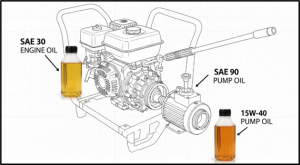
- Maintain pump oil
- Use pump saver before storage
- Store pressure washer indoors
- Flush system after using detergent
- Avoid very long hoses
- Bleed air before starting washer
Regular maintenance greatly reduces pressure washer surging and pressure washer losing pressure issues.
FAQs – Why Is My Pressure Washer Pulsing?
Why is my pressure washer pulsing when I pull the trigger?
This is usually caused by a clogged nozzle, low water supply, or air trapped in the system.
Why is my pressure washer pulsing when not in use?
This is typically an unloader valve problem or an internal pump leak.
Can a clogged nozzle cause a pressure washer to pulse?
Yes. A clogged nozzle restricts water flow, causing pressure buildup and pulsing.
Why does my pressure washer surge at idle?
This is usually caused by a faulty or stuck unloader valve.
How do I stop my pressure washer from pulsing?
Check water supply, remove air from system, clean nozzle, inspect hoses, and check unloader valve.
Is pressure washer pulsing dangerous?
Yes, continuous pulsing can damage the pump, seals, and valves over time.
Do electric pressure washers pulse more than gas?
Electric pressure washers pulse more often due to auto start/stop systems and lower water flow tolerance.
Does a bad unloader valve cause pulsing?
Yes, a faulty unloader valve is one of the most common causes of pressure washer pulsing at idle.
Conclusion – Fixing a Pulsing Pressure Washer
If you were wondering why is my pressure washer pulsing, the answer is usually related to water flow problems, air in the system, clogged nozzles, or unloader valve issues. The majority of pulsing problems can be fixed in minutes by checking the water supply, removing air, and cleaning the nozzle.
Remember these key points:
- Most pulsing issues are water flow related
- Nozzle and air issues are the easiest fixes
- Unloader valve problems are common for idle pulsing
- Pump and valve damage are more serious issues
- Regular maintenance prevents pulsing and pump damage
By following the troubleshooting steps and maintenance tips in this guide, you can keep your pressure washer running smoothly and avoid expensive repairs in the future.