Flat roofs are common in both residential and commercial construction, but they come with one major challenge, water drainage. If not properly designed, water collects, dirt builds up, and long-term damage becomes inevitable.
This guide explains how to slope a flat roof for drainage, why it matters, and how pressure washing plays a critical role in maintaining performance and longevity.
Quick Answer / Key Takeaway
how to slope a flat roof for drainage? By creating a minimum slope of 1/4 inch per foot using tapered insulation, sloped framing, or lightweight concrete fill to direct water toward drains or gutters.
A proper slope:
- Prevents standing water and leaks
- Protects roofing materials from deterioration
- Reduces structural stress
Without proper drainage, debris, algae, and dirt accumulate quickly, making pressure washing essential for ongoing maintenance.
Why Flat Roof Drainage and Cleaning Matter
Flat roof drainage isn’t just a design detail, it’s a performance factor that directly affects property value and maintenance costs.
Who Needs This
- Homeowners with flat or low-slope roofs
- Commercial building owners
- Property and facility managers
Why It Matters
- Prevents water ponding and leaks
- Protects roof membranes from early failure
- Improves curb appeal
- Reduces algae, mold, and debris buildup
Key Insight
Poor drainage leads to faster contamination. That means more frequent cleaning, higher maintenance costs, and reduced roof lifespan.
How to Slope a Flat Roof for Drainage and Why It Is Critical
How to slope a flat roof for drainage in Simple Terms
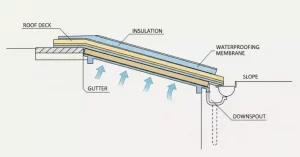
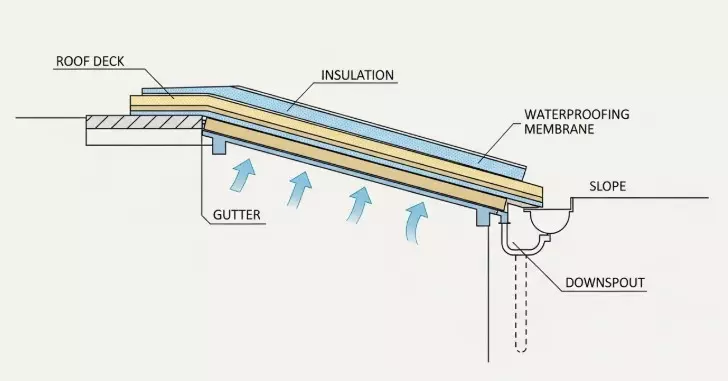
At its core, sloping a flat roof means creating a slight angle so water flows toward drainage points instead of pooling.
For example, in many retrofit projects, contractors install tapered insulation panels that gradually direct water toward scuppers or drains. Even though the roof appears flat, it is engineered with a subtle but critical slope.
What Happens Without Proper Roof Slope
Ignoring slope design leads to serious issues:
- Water ponding that weakens roofing materials
- Dirt and debris buildup in stagnant areas
- Algae and moss growth due to constant moisture
- Faster roof deterioration
- Increased cleaning and repair costs
Role of Pressure Washing in Flat Roof Maintenance
Even with proper slope, debris and contaminants will still accumulate over time. That’s where pressure washing becomes essential.
What Pressure Washing Services Include
- Removal of dirt, algae, and debris
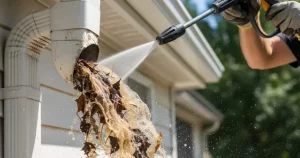
- Cleaning of drainage paths (scuppers, drains, edges)
- Restoring water flow efficiency
Cleaning Methods Explained
- Pressure Washing: High-pressure water for durable surfaces
- Power Washing: Heated water for grease and organic buildup
- Soft Washing: Low-pressure chemical cleaning for delicate roofing
Benefits
- Prevents drainage blockages
- Extends roof lifespan
- Improves visual appearance
- Reduces long-term repair costs
Limitations
- Excessive pressure can damage membranes
- Not suitable for all materials
- Requires proper technique and experience
Methods to Create Proper Drainage Slope on Flat Roofs
Tapered Insulation Systems
- Most widely used modern solution
- Lightweight and easy to install
- Provides precise slope control
Sloped Structural Framing
- Built into the roof during construction
- Ideal for new builds
- Higher cost but long-term reliability
Concrete or Lightweight Fill
- Common in renovation projects
- Adds slope to existing roofs
- Durable but heavier than insulation
Roof Slope Methods & Cleaning Impact
| Method | Average Cost | Best For | Pros | Cons | Time Required |
|---|---|---|---|---|---|
| Tapered Insulation | Medium-High | Residential & commercial | Lightweight, precise slope | Higher material cost | 1–3 days |
| Sloped Framing | High | New construction | Permanent solution | Expensive | Several days |
| Concrete Fill | Medium | Retrofit projects | Durable | Heavy load | 2–4 days |
| No Slope (Flat) | Low upfront | Old roofs | Cheap initially | Drainage failure, dirt buildup | N/A |
Choosing a Pressure Washing Service
When drainage issues exist, selecting the right service is critical. Look for:
- Experience in roof and drainage cleaning
- Commercial-grade equipment
- Proper insurance coverage
- Transparent pricing
- Strong local reviews
- Eco-friendly cleaning methods
Subtopics People Also Search
- How much does pressure washing cost?
- Is pressure washing worth it for roofs?
- How often should you clean a flat roof?
- Can pressure washing damage roofing materials?
- DIY vs professional pressure washing
How to slope a flat roof for drainage
Step 1: Roof Inspection
Start by identifying low spots where water collects. Check existing drains, scuppers, and outlets for blockages.
Step 2: Choose Slope Method
Select the most suitable method:
- Tapered insulation (most common)
- Structural slope (new builds)
- Lightweight fill (retrofits)
Step 3: Install Slope System
Install insulation or apply fill materials to achieve a consistent slope of at least 1/4 inch per foot.
Step 4: Install Drainage Components
Position drains, scuppers, or gutters correctly to align with the slope. Improper placement defeats the entire system.
Step 5: Seal and Waterproof
Apply a roofing membrane or waterproof layer to prevent leaks and ensure durability.
Step 6: Pressure Wash and Maintain
After installation, clean the surface thoroughly. Regular pressure washing ensures drainage paths remain clear and effective.
Service Breakdown: Pressure Washing Applications
- Flat roof cleaning
- Drain and scupper clearing
- Commercial roof maintenance
- Exterior wall cleaning
- Driveway and patio washing
Pros and Cons of Pressure Washing for Flat Roofs
Pros
- Removes algae and debris
- Improves drainage performance
- Extends roof lifespan
- Enhances curb appeal
Cons
- Risk of damage if misused
- Requires professional handling
- Does not fix structural slope issues
Alternatives to Pressure Washing
- Manual debris removal
- Soft washing methods
- Chemical cleaning treatments
- Scheduled maintenance programs
- Equipment rental vs hiring professionals
FAQs About how to slope a flat roof for drainage
What is the minimum slope for a flat roof?
A minimum slope of 1/4 inch per foot is recommended for effective drainage.
How to slope a flat roof for drainage on an existing roof?
You can use tapered insulation or lightweight concrete fill to create the required slope.
Can poor slope cause roof leaks?
Yes, standing water leads to leaks, material breakdown, and structural damage.
Is pressure washing necessary for flat roofs?
Yes. It prevents debris buildup and keeps drainage systems functioning properly.
How often should a flat roof be cleaned?
Typically every 6–12 months, depending on environmental conditions.
Can I fix roof slope myself?
Minor adjustments are possible, but major slope corrections require professional expertise.
Does slope affect roof lifespan?
Absolutely. Proper drainage significantly extends roof durability and performance.
Conclusion: Why Proper Roof Slope and Cleaning Go Hand in Hand
Understanding how to slope a flat roof for drainage is essential for preventing water damage, maintaining structural integrity, and extending roof lifespan, something professionals like Stegmeier Pressure Washing emphasize when maintaining clean, fully functional drainage systems.
However, slope alone is not enough.
Even a perfectly sloped roof can fail if drainage paths become clogged with dirt, algae, and debris. That’s why regular pressure washing is critical.
Final Takeaway
- Proper slope ensures efficient drainage
- Regular cleaning maintains performance
- Combining both delivers long-term durability and cost savings
For property owners, the smartest strategy is simple: engineer the slope correctly and maintain it consistently.