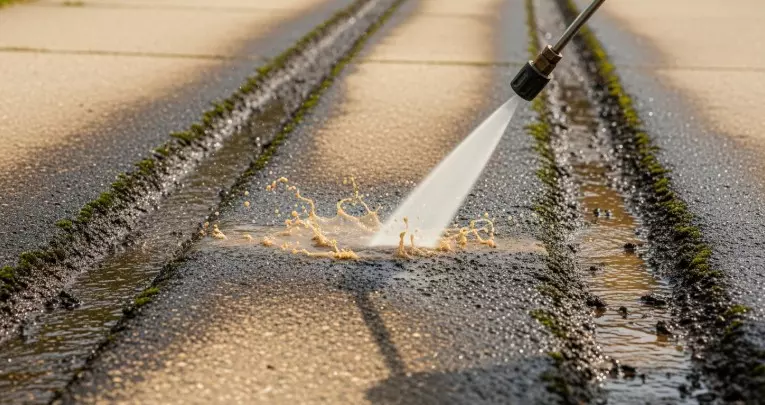
Rutting in pavement refers to permanent grooves or depressions that form in asphalt or concrete surfaces due to repeated vehicle traffic and structural deformation over time. These wheel-path ruts trap dirt, oil, water, and debris, making driveways and parking areas look dirty far faster than flat surfaces.
Because contaminants settle deep into these grooves, basic rinsing is ineffective. Professional pressure washing becomes essential to remove embedded grime and restore surface appearance.
Best practice: combine routine pressure washing with proper pavement maintenance or repairs to keep driveways clean, safe, and visually appealing.
Why Homeowners Care About Pavement Rutting
Rutting in pavement is not just a structural concern, it directly impacts how clean, maintained, and valuable a property appears.
Homeowners and property managers often deal with:
- Driveways that stay dirty even after cleaning
- Oil stains trapped inside wheel ruts
- Water pooling in sunken pavement areas
- Reduced curb appeal and property value
This is why pressure washing services are widely used not only for appearance but also for long-term surface maintenance.
What is Rutting in Pavement and Why It Affects Surface Cleanliness
What is Rutting in Pavement in Simple Terms?
Rutting in pavement is the formation of visible wheel-track depressions caused by repeated vehicle loads compressing and deforming asphalt or concrete. Over time, these depressions become permanent channels in the driving surface.
Example: A residential driveway with frequent car traffic develops two visible tire paths where water collects after rain. Dirt settles in these grooves, leaving dark stains that are difficult to remove without professional cleaning.
These low areas make pressure washing more necessary because dirt and oils become embedded deeper than on flat surfaces.
Key Effects of Pavement Rutting on Driveways
- Dirt, oil, and grease accumulate in recessed wheel paths
- Standing water encourages algae and moss growth
- Uneven cleaning results from standard rinsing methods
- Faster staining compared to flat, undamaged pavement
Why Rutting in Pavement Leads to Dirtier Driveways
Rutted pavement naturally traps contaminants:
- Vehicle fluids settle in grooves instead of flowing off
- Rainwater carries sediment into depressions
- Dirt becomes compacted under repeated traffic
This buildup makes light cleaning ineffective and increases the need for high-performance pressure washing.
Why Pressure Washing is Needed for Rutted Pavement
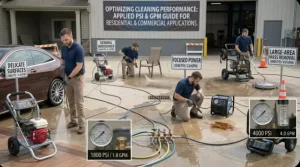
Pressure washing is one of the most effective methods for cleaning rutted surfaces because it uses high-pressure water streams to break down and lift embedded debris.
Typical services include:
- Deep cleaning of asphalt and concrete surfaces
- Removal of oil stains, algae, and compacted dirt
- Restoration of surface brightness and texture
Cleaning Methods Used in the Industry
- Pressure Washing: High-pressure water for hard surfaces
- Power Washing: Heated water for oil-heavy stains
- Soft Washing: Low-pressure chemical cleaning for delicate materials
Key Benefits
- Removes deep-set grime from pavement grooves
- Improves curb appeal instantly
- Reduces algae and moss growth
- Prepares surfaces for sealing or repair
Limitations
- High pressure can damage weak or aging asphalt
- Does not repair structural rutting
- Requires skilled operation for best results
Pressure Washing Service Types
| Service Type | Average Cost | Best For | Pros | Cons | Time Required |
|---|---|---|---|---|---|
| Pressure Washing | Medium | Driveways, concrete | Deep cleaning, fast results | Can damage soft surfaces | 1–3 hrs |
| Power Washing | Medium-High | Oil-stained surfaces | Removes tough stains | Heat may affect asphalt | 1–4 hrs |
| Soft Washing | Medium | Roofs, siding | Safe, chemical-based | Not for heavy grime | 2–5 hrs |
| DIY Cleaning | Low | Light dirt removal | Cheap | Ineffective on rutting grime | Variable |
Evaluation Criteria: Choosing a Pressure Washing Service
When hiring a professional, consider:
- Experience with driveway and pavement cleaning
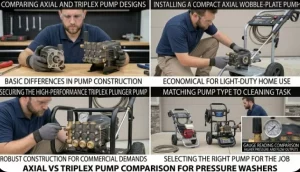
- Commercial-grade pressure washing equipment
- Insurance coverage for property protection
- Transparent pricing (per sq ft or project-based)
- Verified local reviews and reputation
- Use of eco-friendly cleaning solutions
Subtopics People Also Search
- How much does pressure washing cost?
- Is pressure washing worth it for driveways?
- How often should you pressure wash your driveway?
- Can pressure washing damage asphalt or concrete?
- DIY vs professional pressure washing
How to Handle Dirty Driveways Caused by Rutting
Step 1: Inspect Pavement Condition
- Identify rut depth and dirt accumulation zones
- Check for cracks or structural weakness
Step 2: Pre-Clean Preparation
- Remove vehicles and loose debris
- Pre-soak heavily stained areas if needed
Step 3: Select Cleaning Method
- Light rutting → pressure washing
- Heavy oil buildup → power washing
Step 4: Professional Pressure Cleaning
- Apply controlled high-pressure water
- Focus on grooves and low-lying areas
Step 5: Post-Clean Inspection
- Check for remaining stains
- Assess whether sealing or repair is needed
Service Breakdown: Pressure Washing Applications
- Residential driveway cleaning
- Commercial parking lot maintenance
- Walkway and garage floor restoration
- Patio and deck surface cleaning
- Exterior siding cleaning
Pros and Cons of Pressure Washing for Pavement Rutting
Pros
- Restores surface appearance quickly
- Removes deep embedded grime
- Improves curb appeal instantly
- Prevents long-term stain buildup
Cons
- Can damage weak asphalt if misused
- Does not fix structural rutting
- Requires professional handling for best results
Alternatives to Pressure Washing
- Manual scrubbing (labor-intensive, limited effectiveness)
- Chemical degreasers for oil stains
- Surface sealing after cleaning
- Full resurfacing for severe rutting
- Equipment rental vs hiring professionals
FAQs About What is Rutting in Pavement
What is rutting in pavement and why does it happen?
It is surface deformation caused by repeated traffic loads that create grooves in asphalt or concrete.
How does rutting in pavement affect cleaning results?
It traps dirt and water, making driveways harder to clean without pressure washing.
Is pressure washing safe for rutting-affected pavement?
Yes, when done with controlled pressure settings.
How often should you pressure wash a driveway with rutting?
Typically every 6–12 months depending on usage.
Can rutting in pavement be fixed permanently?
No, cleaning improves appearance but structural repair is required.
DIY vs professional pressure washing, which is better?
Professional services are safer and more effective for deep rutting stains.
Does pressure washing improve curb appeal?
Yes, it significantly enhances visual appearance.
Conclusion: Why Pressure Washing is Essential for Rutted Pavement
Rutting in pavement not only affects structural integrity but also accelerates dirt accumulation, staining, and water retention. These conditions make regular cleaning ineffective without proper pressure washing techniques.
Professional pressure washing restores surface cleanliness, improves curb appeal, and removes deep-set grime trapped in pavement grooves.
For homeowners and property managers, the best strategy is combining routine pressure washing with timely repair or maintenance. This ensures both long-term durability and a consistently clean, well-maintained property appearance.